Dual-Fuel Heat Pump Installation in Port Coquitlam
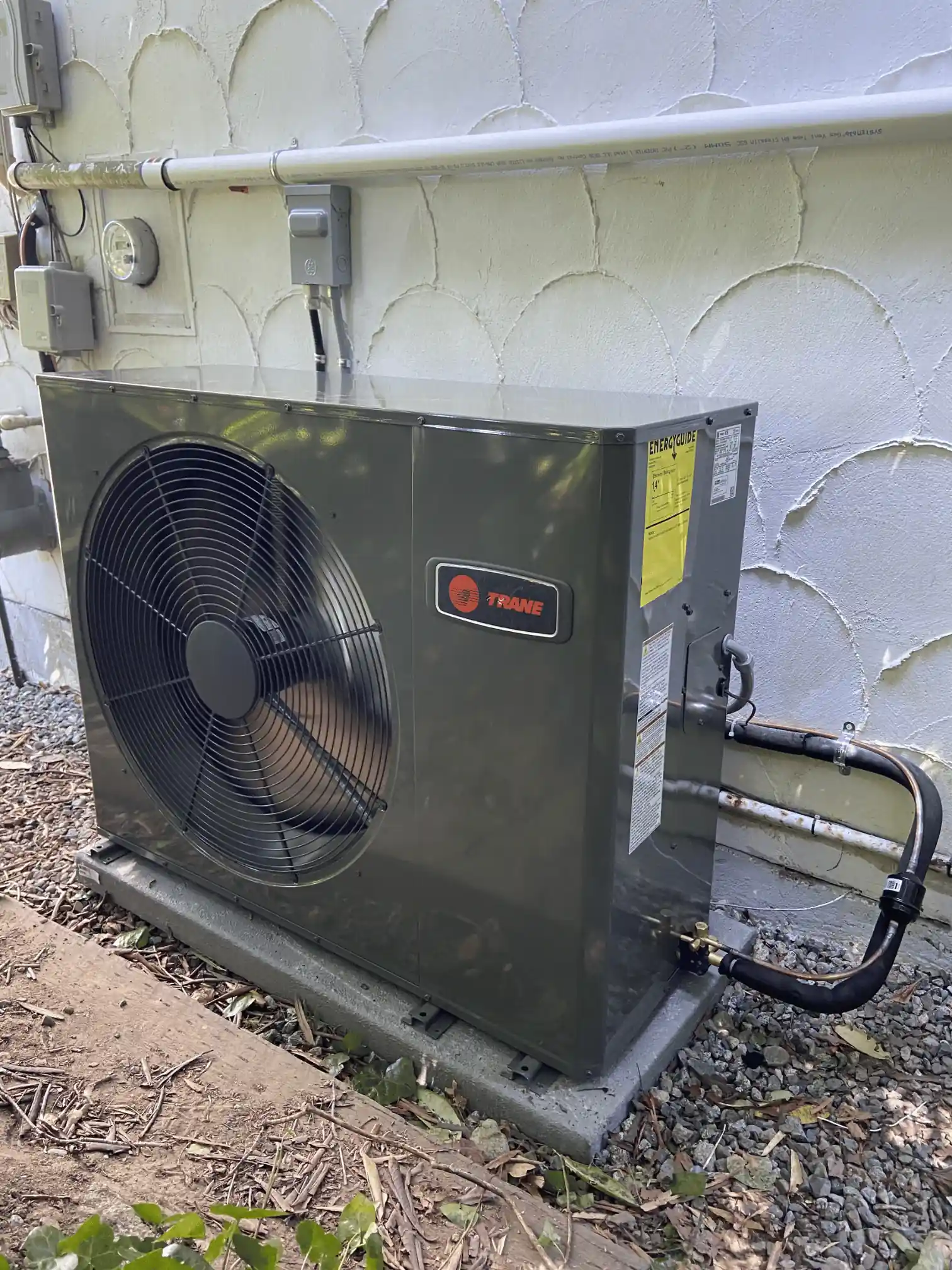
Most Port Coquitlam homes already have everything a heat pump needs except the unit itself. The furnace is in the mechanical room, the ductwork runs behind every wall, and in most cases the electrical panel has room for the new circuit. Adding a central heat pump to that existing setup gives the house cooling it never had and shifts most of the winter heating from gas to electric at a lower operating cost. The existing gas furnace covers the coldest weeks of winter automatically, switching on when temperatures drop past the balance point and handing back when they rise. Eaton's Heating is an authorized Trane dealer and installs heat pumps across every Port Coquitlam neighbourhood. The free in-home assessment covers sizing, ductwork, electrical, and outdoor unit placement, and the written estimate includes every cost. As a FortisBC Trade Ally we confirm current CleanBC and FortisBC rebate eligibility and file the application after installation. Financeit at zero percent over 12 months is available.


See what our customers have to say
Brands Serviced
Years of Experience
Homes Served and Counting
A central heat pump connects to the home's existing ductwork through an indoor coil that sits in the furnace plenum. The outdoor unit handles both heating and cooling from one piece of equipment, and the thermostat controls when the system switches between the heat pump and the gas furnace based on outdoor temperature. For most of the year, the heat pump does the work at a lower cost per unit of heat than burning gas. During the coldest weeks of winter, the furnace takes over, and the switch happens without any interruption to comfort. This dual-fuel configuration is the most common heat pump project in Port Coquitlam because it preserves a working furnace while adding cooling capacity and reducing heating costs.
Glenwood, Oxford Heights, Lincoln Park, and Birchland Manor homes from the 1960s through the 1980s are where most of Port Coquitlam's heat pump installations happen. These homes have forced-air furnaces, ductwork in place, and lots large enough for straightforward outdoor unit placement. The main variable in these neighbourhoods is the electrical panel: homes from the 1970s and earlier sometimes carry 100-amp service that needs an upgrade to 200 amps before the heat pump circuit can be added, handled by a certified electrician and included in the estimate. Citadel Heights homes from the 1980s and 1990s generally have 200-amp panels and larger lots with good outdoor unit locations. Central Port Coquitlam townhomes and Fremont strata properties have compact lots where outdoor unit placement needs more planning, and strata coordination for the exterior equipment is part of what we handle. For the small number of Port Coquitlam homes without ductwork, older properties on baseboard or hydronic heat, ductless mini-splits deliver heating and cooling room by room without any duct runs.
The equipment recommendation depends on how much of the year the heat pump carries the load. When it runs as the primary system year-round, Trane's variable-speed tier is worth the cost: the compressor adjusts its speed to match the load rather than cycling on and off, which keeps every room even and reduces operating noise. In a dual-fuel setup where the furnace covers the coldest stretches, a mid-range or value-tier unit from Trane, RunTru, or KeepRite handles the job well at a lower price, and for most dual-fuel homes that is the practical choice. Every outdoor unit is paired with a specific indoor coil designed to work together, because running mismatched equipment reduces the efficiency the system was rated to deliver. We size every system to the home it will serve, accounting for insulation, window exposure, and Port Coquitlam's specific heating and cooling conditions rather than defaulting to a square-footage calculation.
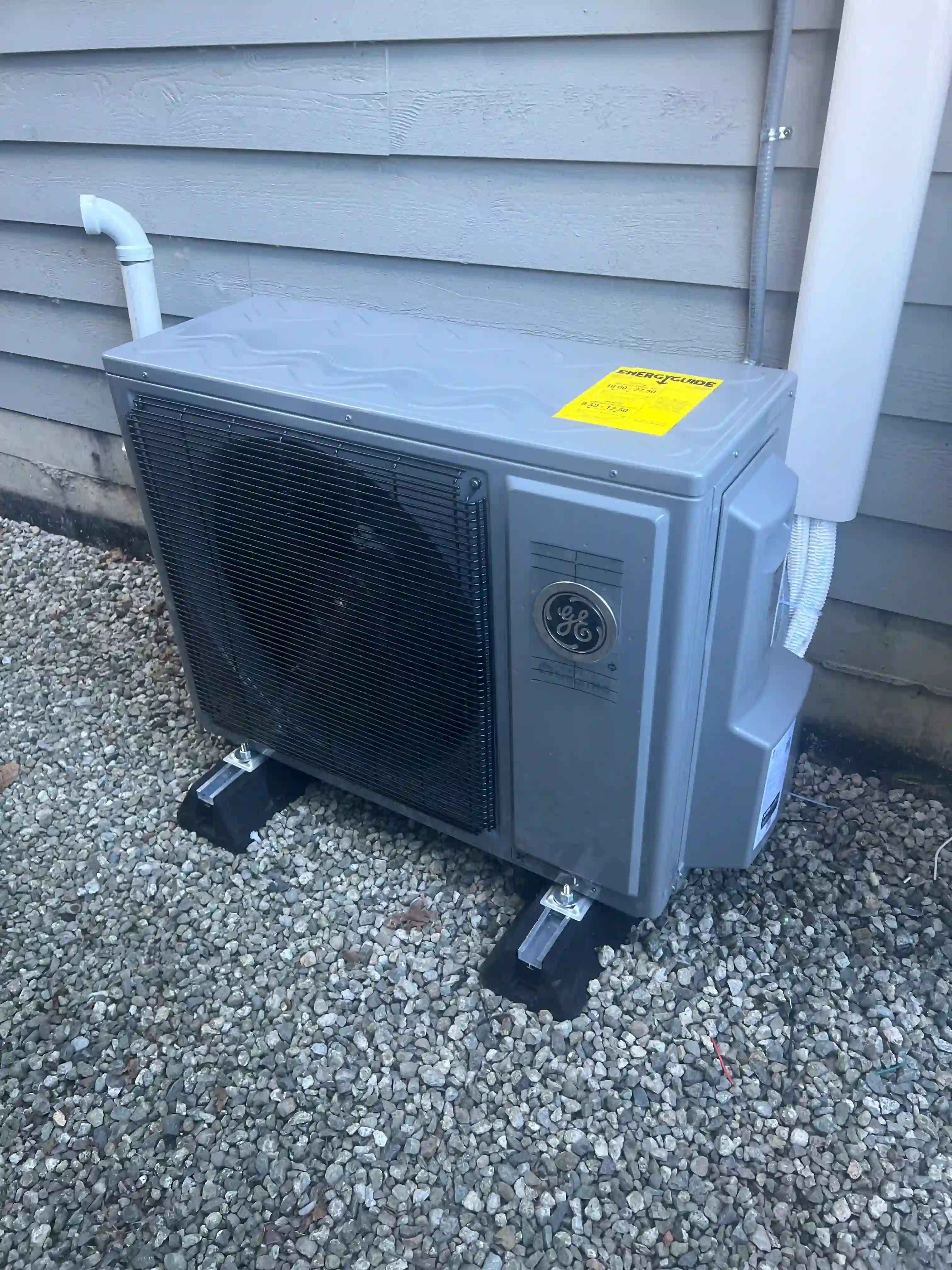
Where the outdoor unit sits matters more in Port Coquitlam than in drier cities. The valley floor stays damp through the wet season, and an outdoor unit placed on a pad that does not drain well will sit in standing moisture for months. The base pad needs to be level, properly drained, and positioned with clearance on all sides for airflow and service access. On homes near the Coquitlam River or in lower-lying parts of Mary Hill, the pad may need to be raised above grade to keep the unit clear of surface water during heavy rain. Vegetation and fencing close to the condenser restrict airflow and reduce performance over the system's life, so placement is a conversation during the assessment rather than an afterthought on installation day.
Installation runs one to two days for most Port Coquitlam homes. Commissioning at the end is what makes the system perform as rated: the system gets tested in both modes, the refrigerant charge is set to the manufacturer's specification, the defrost is configured for local conditions, and on dual-fuel systems we program the temperature where the furnace takes over and where the heat pump resumes. Factory warranties get registered and the thermostat gets explained before we leave. Eaton's Heating holds Technical Safety BC licence LGA0200006, FortisBC Trade Ally status, BBB A+ accreditation, HPCN registration, and WorkSafeBC coverage, with 500-plus Google reviews at 4.9. If the existing heat pump has a fixable problem rather than being at the end of its life, start with our heat pump repair page for Port Coquitlam instead. A repair that solves the issue for a few hundred dollars is better value than replacing the whole system.

The question most Port Coquitlam homeowners ask during the assessment is whether to install a heat pump or a standard air conditioner. The upfront cost is similar either way. What differs is what you get for the money. An air conditioner provides cooling from June through September and sits idle the rest of the year. A heat pump provides the same cooling and then runs as the primary heat source for most of the winter, reducing gas consumption by roughly half on a typical Port Coquitlam home. The furnace still covers the coldest weeks, but the heat pump handles the rest. That year-round contribution is why provincial rebate programs favour heat pumps over air conditioners, and it is why the difference in cost pays for itself within the first year or two of lower gas bills.
We confirm which CleanBC and FortisBC rebate programs apply to the specific equipment being quoted and show the gross and net cost side by side in the written estimate. As a FortisBC Trade Ally we file the application after the installation passes inspection. Financeit at zero percent over 12 months is available. For homeowners who are certain they want cooling only and do not need the heating benefit, we quote central air conditioning during the same assessment so the comparison is made on real numbers.
Licensed Gas Contractor (LGA0200006)
Authorized Dealer and Installer
Certified Fireplace Dealer
Have a question about your HVAC system? Book an appointment using the form below, or call (604) 535-8434 for immediate help.
A dual-fuel addition to a home with existing ductwork and a 200-amp panel is the most straightforward project and typically runs $7,000 to $9,000 before rebates. Panel upgrades, ductwork modifications, or longer refrigerant line runs for outdoor unit placement on larger lots push into the $9,000 to $12,000 range. CleanBC and FortisBC rebates on qualifying systems reduce both tiers, and the written estimate shows the gross and net cost so the decision is based on what you actually pay. The assessment is free, and Financeit at zero percent over 12 months is available.
If the furnace is in good shape and has years of service left, keeping it as backup costs nothing and gives the house gas heat during the coldest stretches when the heat pump's operating cost rises. If the furnace is near end of life, replacing it and adding cooling separately costs more than letting one heat pump handle both jobs. We quote the options you are considering and show the numbers side by side.
Modern cold-climate heat pumps produce effective heat well below anything Port Coquitlam's winters record. The practical question is not whether the system can heat the house, but at what temperature the gas furnace becomes the cheaper fuel. In a dual-fuel system, the thermostat handles that switch automatically. In a heat-pump-only home, the system is sized for PoCo's actual winter lows so it carries the full load. Either way, the house stays warm.
A heat pump requires its own dedicated circuit. Most Port Coquitlam homes built from the 1980s onward have 200-amp panels with room for it. Older homes in Glenwood, Mary Hill, and Central Port Coquitlam sometimes carry 100-amp panels that need upgrading first. We check the panel during the assessment and include any upgrade in the written estimate. A certified electrician handles the electrical work as part of the project.
One to two days for most Port Coquitlam homes. A dual-fuel addition with existing ductwork and adequate electrical lands on the shorter end. Panel upgrades, extended refrigerant line runs, or non-standard outdoor unit placement take the full two days. The estimate confirms the timeline for your project.
A check before each heating season and each cooling season keeps the system running at its rated efficiency. The service covers the outdoor coil, defrost controls, electrical connections, the indoor coil and filter, and refrigerant charge. In Port Coquitlam, where the outdoor unit sits in sustained dampness for half the year, keeping the area around the condenser clear and the coil clean is especially important. Our $189 diagnostic fee covers a full system check.
Simply complete our form to make an appointment. A member of our team will be in touch to confirm your appointment.